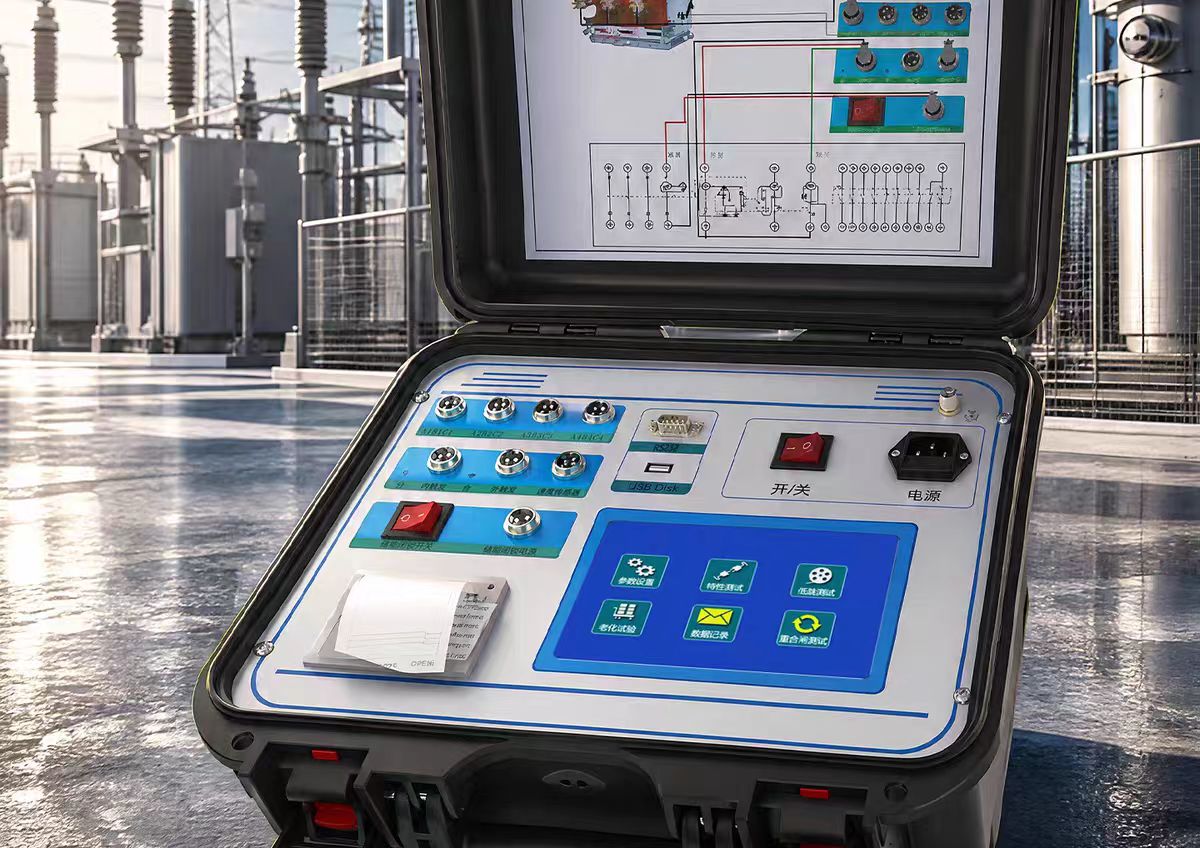

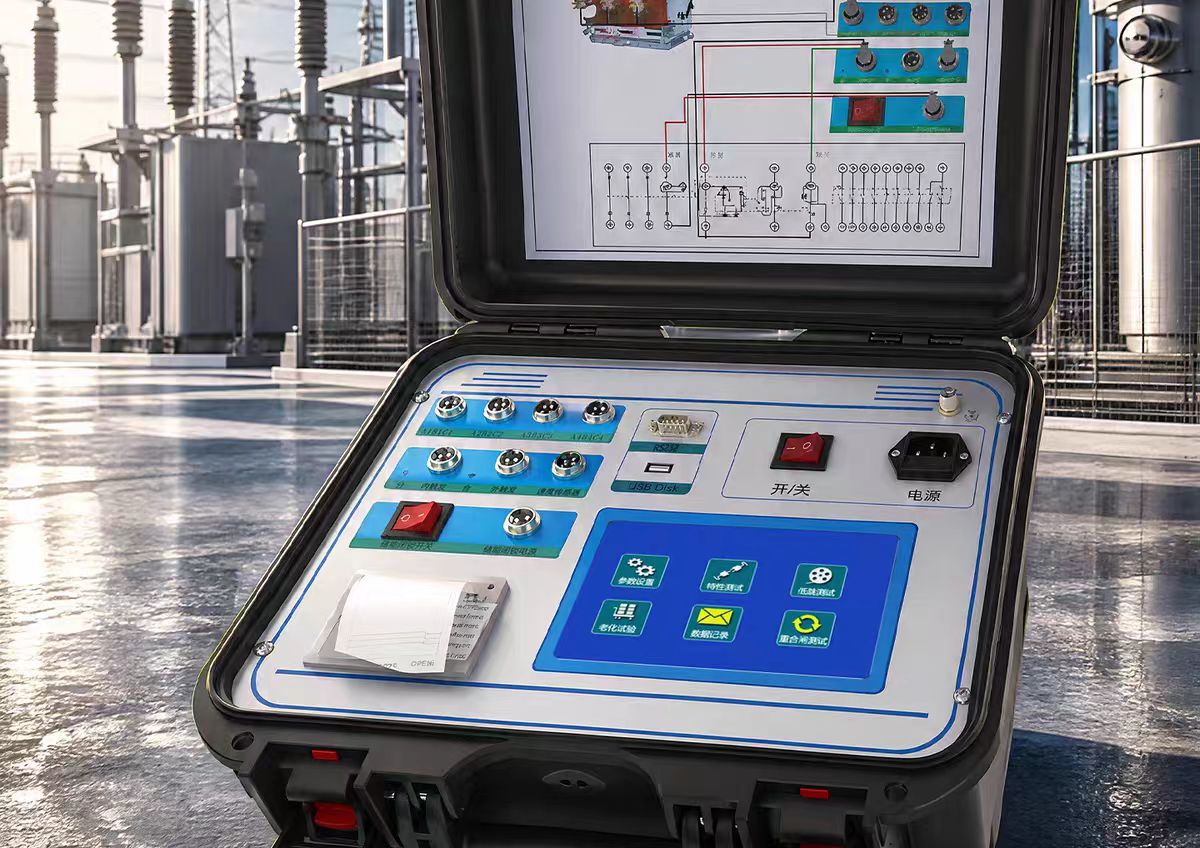
Dielectric Loss Tester
The dielectric loss tester is a core instrument for detecting the insulation performance of transformers, instrument transformers, bushings, cables, and other equipment in power preventive testing. The key to model selection lies in "matching the test object" and "on-site anti-interference capability." Based on your procurement needs, the following are the core selection points for dielectric loss testers and references for local and surrounding manufacturers:
Core Selection Parameters
During selection, the following parameters must be matched to ensure measurement accuracy and adaptation to on-site working conditions:
Instrument Type and Test Object: Dielectric loss testers are mainly divided into two categories, which should be selected according to the actual test object:
High-Voltage Equipment Dielectric Loss Tester: Used to measure the dielectric loss factor (tanδ) and capacitance (Cx) of solid/liquid insulation such as transformer windings, bushings, instrument transformers, and power cables. It needs to support multiple wiring modes such as forward connection, reverse connection, and CVT self-excitation method. The internal high voltage is usually adjustable in multiple ranges from 0.5kV to 10kV, and the capacitance measurement range needs to cover 3pF to 60000pF (10kV range).
Insulating Oil Dielectric Loss Tester: Specially used to test the dielectric loss angle and volume resistivity of liquid insulating media such as transformer oil and capacitor oil. It adopts an integrated design with a built-in dielectric loss oil cup, temperature controller, and high-frequency induction heating system (temperature control up to 90°C). The test voltage is usually continuously adjustable from 0 to 2000V, complying with the GB/T 5654 standard.
Measurement Accuracy and Resolution: Accuracy directly determines the ability to detect insulation defects and is the core indicator for selection:
tanδ measurement: A wide range (0-100%) is preferred. The accuracy of conventional models is ≤±(reading×1%+0.0005). For testing transformers of 110kV and above, high-precision models with ≤±(reading×0.5%+0.0003) should be selected, with a resolution of ≥0.001%.
Cx measurement: Range 0-60000pF, accuracy ≤±(reading×0.5%+1pF), resolution ≥0.1pF.
Anti-interference capability: Strong electromagnetic interference exists at substation sites, so models with variable-frequency anti-interference technology must be selected. By outputting different-frequency test signals such as 45Hz/55Hz, it avoids 50Hz power-frequency interference and ensures accurate measurement even in strong electric field environments. Some high-end models support maintaining nominal accuracy even under 200% interference.
Safety Protection Configuration: It must have multiple protection mechanisms such as grounding detection (voltage boost locked if not grounded), high-voltage short-circuit/overcurrent protection, prevention of the "capacitance rise" effect, zero-crossing closing, and lightning strike protection to ensure the safety of test personnel and equipment.
References for Local and Surrounding Manufacturers
Jiangsu is an important industrial belt for power testing instruments in China. Yangzhou and its surrounding areas have many manufacturers specializing in dielectric loss testers, making on-site inspections and after-sales coordination convenient:
Yangzhou local: Yangzhou Guoshi Electric Co., Ltd. is located in Yangzhou and integrates R&D, production, and sales of power testing equipment such as dielectric loss testers, DC high-voltage generators, and insulating oil dielectric strength testers. Its product line covers conventional high-voltage dielectric loss testing and insulating oil testing needs, and it supports localized services.
Surrounding areas: Wuhan is the most concentrated industrial belt for power testing instruments in China, with many professional manufacturers such as Wuhan Moen Intelligent Electric (MOEORW/Fankester brands, producing the MEJS-801 series fully automatic anti-interference dielectric loss tester), Wuhan Zhizhuo Measurement and Control, Wuhan Dingsheng Electric, Nanao Electric, Wugao Xigao Electric, and Zhuoya Electric. Their products cover the full series of variable-frequency anti-interference dielectric loss testers and insulating oil dielectric loss testers, with high technical maturity, and they can provide complete testing solutions. In addition, Beijing Kanggaote (Taiyi series), Beijing Beiguang Jingyi, and Shanghai Precision Instruments are also well-known brands in the industry.
Selection Precautions
First confirm whether the on-site test object is high-voltage equipment (transformer/instrument transformer/bushing) or insulating oil, or both, to avoid selecting the wrong instrument type.
If it is used in strong-interference sites such as 500kV substations, high-precision models with variable-frequency anti-interference technology must be selected, and the measurement calibration certificate provided by the manufacturer (according to JJF 1618-2017) must be verified to ensure data traceability.
During procurement, attention should be paid to the calibration cycle of the instrument (recommended not to exceed 6 months), and confirm whether the manufacturer provides after-sales services such as regular calibration and maintenance, so as to avoid compliance risks such as "still issuing reports after the calibration has expired."