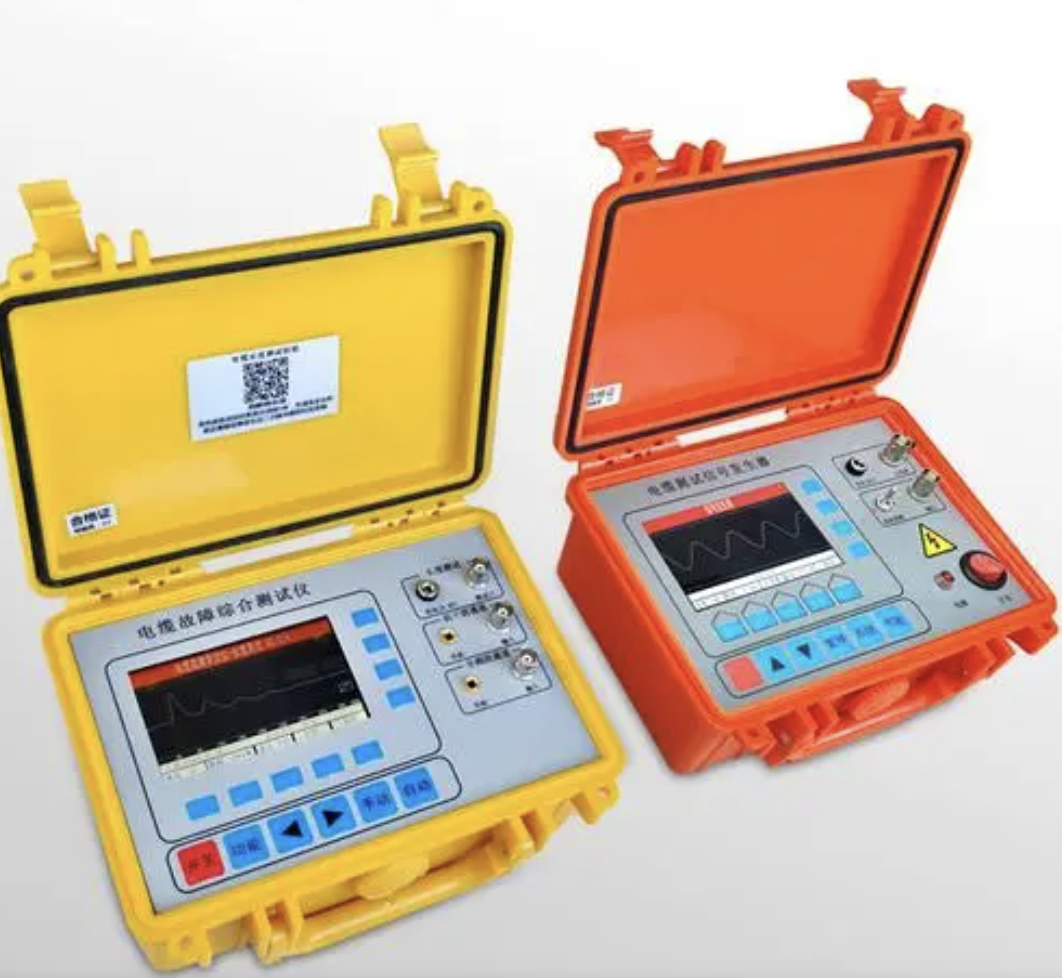

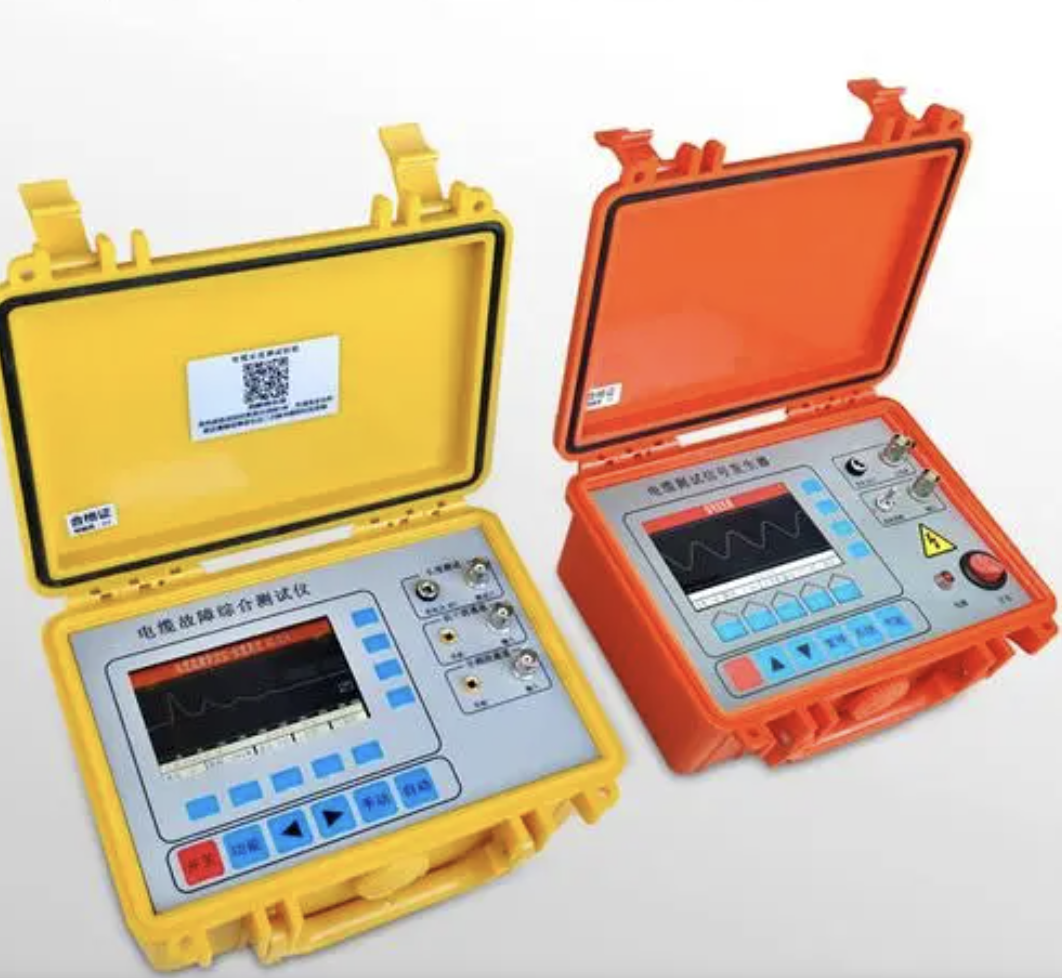
Loop Resistance Tester
The loop resistance tester is one of the most core "gatekeeper" instruments in the field of power testing, specifically used to measure the contact resistance of conductive loops such as high-voltage switches, circuit breakers, GIS combined electrical apparatus, and busbar joints. Choosing the wrong one may at best cause fluctuating readings and misjudgment of equipment status, and at worst miss hidden dangers and lead to accidents.
Combining Yangzhou's local industrial supporting facilities and the latest selection logic, here is a practical procurement guide for you:
I. Mainstream Loop Resistance Tester Types and Selection Comparison
Type Typical Current Range Core Advantages Applicable Scenarios Reference Price
Benchtop General Type 100A/200A Stable output, high precision, good heat dissipation Standardized configuration for power supply bureau teams, pre-test centers, laboratories Thousands of yuan level
Handheld Portable Type 10A~300A multi-range Lightweight (1.2~1.7kg), lithium battery powered, convenient for on-site relocation Substation inspection, switchgear maintenance, frequent outdoor mobile operations Thousands to tens of thousands of yuan level
Three-Phase Simultaneous Test Type 100A×3 channels Simultaneous three-phase testing, high efficiency, intuitive data comparison Rapid detection of three-phase circuit breakers and GIS combined electrical apparatus Thousands to tens of thousands of yuan level
High-Precision Professional Type 300A/600A dual range ±0.2% accuracy, temperature compensation, supports RS485 remote control UHV station main transformer circuit breakers, nuclear power supporting facilities, export projects with CE certification Above tens of thousands of yuan level
Imported Brands (Megger/DV Power) 10A~600A Good long-term stability, high data repeatability, strong comprehensive diagnostic capability High-end manufacturing enterprises, testing institutions, comprehensive circuit breaker diagnosis Tens of thousands of yuan level
II. Core Selection Parameters: 6 Hard Indicators That Must Be Checked
1. Test Current—Not the Bigger the Better, but "Sufficient and Stable"
According to DL/T 845.4 and GB/T 11022 standards, the loop resistance test current for high-voltage switches shall not be less than 100A, which is the minimum threshold for breaking through the oxide film on the contact surface.
Conventional 10kV~35kV circuit breakers/disconnectors: 100A is sufficient
220kV and above GIS or large-capacity generator outlet circuit breakers: 200A~600A
Busbar rows and switch contact micro-resistance testing: 20A~100A
Large inductive equipment such as transformer windings: 5A~40A
Pitfall reminder: Those that only indicate "300A output" without specifying whether it is instantaneous value, short-time value, or continuous value cannot be used for engineering judgment. Multi-range adjustable current is usually more practical than single fixed range, and can adapt to different regulations and tested objects.
2. Accuracy and Resolution—The Three Cannot Substitute for Each Other
Resolution: The smallest step that the screen can display (such as 0.01μΩ), only indicates display capability
Accuracy: The degree of closeness of the measurement result to the reference value, usually expressed as "±X% reading + fixed term"
Repeatability: The consistency of repeated measurements under the same conditions, which is often more explanatory than isolated readings in condition-based maintenance
Recommended accuracy levels:
Metrological level/laboratory calibration: ±0.01%~±0.05%
Power system handover/preventive testing: ±0.1%~±0.2%
Basic detection: ±0.5%~±1%
3. Four-Wire Structure—The Cornerstone of Measurement Credibility
The four-wire method (Kelvin connection) must be adopted: current lines (I+/I-) connected to the outer side, voltage lines (V+/V-) connected to the inner side close to the tested point, to eliminate the influence of the test line's own resistance and contact resistance.
Pitfall reminder: The low-resistance range of ordinary multimeters is not suitable as a substitute for loop resistance testers—the test current is too small to simulate the working state of high-current conductive connections, and cannot provide equivalent low-level voltage drop measurement conditions in strong electromagnetic environments.
4. Anti-Interference Design—Look at Measurement Logic, Not Adjectives
Electromagnetic interference exists on-site in substations and switchgear from nearby live equipment, grounding grids, control cables, etc. High-quality instruments improve measurement quality through reasonable wiring, shielding, filtering, synchronous sampling, and stability judgment.
5. Data Management and Traceability
Built-in storage ≥200~1000 sets of data, with timestamps
Supports USB flash drive export to Excel, RS232/RS485/USB communication
Some support Bluetooth APP control and connection to State Grid PMS system
Built-in thermal printer for immediate on-site report generation
6. Power Supply and Portability
Outdoor on-site: Prefer handheld/integrated portable models, weight ≤5~10kg, built-in lithium battery endurance ≥4~8 hours, support AC/DC dual use, protection level ≥IP54
Laboratory/workshop: Benchtop models can be selected, focusing on high precision and long-term stability
III. Recommended High-Quality Local Manufacturers in Yangzhou
Yangzhou is one of the important production areas for power testing instruments in China, and procurement and after-sales response are very convenient:
Yangzhou Zhili Electrical Technology Co., Ltd.: Specializes in producing three-phase simultaneous test loop resistance testers, reference price about 4,800 yuan, and also supplies products such as sheathed electric heaters, can provide integrated "heating + testing" solutions.
Yangzhou Guohua Electric: Mainly engaged in loop resistance testers, DC resistance testers and other power testing equipment, with a product line covering the full range from conventional to professional level.
Yangzhou Hengwei Electric Heating Technology Co., Ltd.: Also sells high-voltage testing instruments, has "heating + testing" supporting capabilities, suitable for customers with comprehensive procurement needs.
IV. Operating Specifications and Safety Points
Pre-Test Preparation
Power off, verify voltage, discharge: Confirm the tested equipment is completely de-energized, hang "Do Not Close" warning signs, fully discharge capacitive/inductive equipment (at least 5 minutes), hang grounding wires
Clean contact surfaces: Use sandpaper or alcohol to clean the tested contacts or connection points, remove oxide layers and dirt
Environmental check: Relative humidity ≤80%, temperature -10℃~40℃, avoid strong magnetic field interference
Wiring Operation (Four-Wire Method)
Current lines (I+/I-, thick lines) connect to the outer terminals of the tested part
Voltage lines (V+/V-, thin lines) connect to the inner side close to the winding body or contacts
Ensure red to red, black to black, no cross-connection or reversal; test line length should not exceed 5 meters
Test Procedure
Select appropriate test current (conventional 100A, important equipment according to regulations or manufacturer requirements)
Set test time (generally 10~60s, or wait for the value to stabilize for more than 5 seconds)
Press the test key, record after the value stabilizes, it is recommended to repeat 2~3 times and take the average
Disconnection Sequence (Critical!)
Loop resistance test: Stop output first → disconnect current lines first, then voltage lines
DC resistance test: Stop output first → disconnect voltage lines first, then current lines
It is strictly prohibited to disconnect lines while energized, to prevent arcs from damaging the instrument
Judgment Standard Reference
Three-phase unbalance rate (maximum/minimum ratio) not exceeding 1.5 times
Increase from initial value not exceeding 30%
V. Maintenance and Calibration Recommendations
Regular calibration: Recommended once a year, according to JJG 1052-2025 "Verification Regulation of Loop Resistance Testers"
Daily maintenance: When not in use for a long time, power on and run for 30 minutes every 3 months to prevent moisture
Test line replacement: Worn and aged lines need timely replacement with original accessories to avoid line resistance changes affecting accuracy
Insulation testing: Regularly check the instrument's insulation performance to ensure safe use